Spring Daisy Bunny Bouquet Embroidery Review
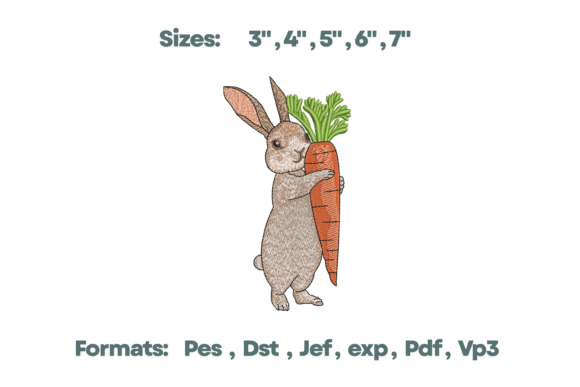
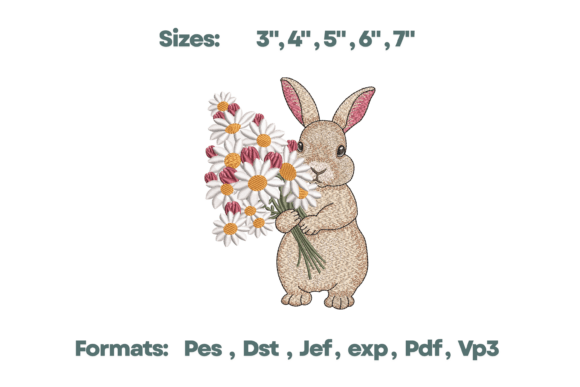
As an experienced embroidery designer preparing for a busy weekend craft fair, I spend a lot of time evaluating digital files before they ever touch a hoop. The difference between a design that sits on a shelf and one that flies off the table often comes down to texture, clarity, and how well it translates from a screen to a physical product. Today, I am reviewing Spring Daisy Bunny Bouquet Embroidery, a file described as a charming and highly textured pattern featuring a sweet rabbit offering a giant bundle of flowers. This review is tailored for Etsy sellers, boutique makers, and creative entrepreneurs looking to build a profitable line of handmade goods.
First Impressions: Farmhouse Charm Meets Seasonal Joy
When you first look at the description of Spring Daisy Bunny Bouquet Embroidery, the immediate feeling is one of warmth and rustic elegance. The mention of a "highly textured pattern" suggests this isn't just a flat outline; it likely has depth that catches the light in a way that simple satin stitches cannot. For a craft fair booth, visual appeal is everything. Customers walk past hundreds of items, but they stop for things that feel tactile and premium.
This design feels perfect for the current market trend of farmhouse and cottagecore aesthetics. It strikes a balance between festive and decorative without being overly cartoonish. The image of a bunny holding a giant bouquet evokes a sense of generosity and spring renewal. Whether you are targeting the Easter holiday or simply selling seasonal decor, this design has a broad appeal. It feels soft, inviting, and undeniably cute, which are key attributes for a successful crafter fair product.
Product Potential: Where This Design Shines
To maximize sales, we must match the design to the right canvas. Spring Daisy Bunny Bouquet Embroidery is versatile enough to work on various commercial embroidery items, but some applications will yield better results than others.
- Tote Bag Design: A large tote bag is perhaps the best vehicle for this design. The "giant bundle" aspect implies a larger composition that needs space to breathe. Placing this on a natural cotton tote allows the texture to stand out, making it a standout handmade product for shoppers carrying their groceries or books.
- Apron Embroidery: For kitchen-focused vendors, an apron with this motif is a gift-ready item. The central placement on a bib apron frames the design perfectly, allowing the rabbit and flowers to be the focal point while working around pockets.
- Tea Towel Embroidery: Tea towels are high-margin items for small shops. This design works beautifully here because the floral theme complements kitchen aesthetics. However, ensure the stitch density is appropriate so the towel remains soft and absorbent.
- Embroidered Patch: If you offer custom patches, this design could be a top seller for the spring season. The distinct shapes of the rabbit and flowers make for a clean appliqué or cut-edge patch that looks professional when sewn onto denim jackets or hats.
- Pillow Covers and Market Bags: These items benefit from the "highly textured" nature of the file. On a pillow cover, the design adds a luxury feel, while on a market bag, it reinforces the eco-friendly, artisan vibe that modern buyers love.
Photography and Online Listings
For Etsy sellers and digital creators, the ability to photograph the design is crucial. Because this file promises high texture, close-up shots of the finished product will be your best marketing tool. When creating a printable mockup for your shop, focus on lighting that highlights the raised stitches. A flat lay on a wooden surface or a grassy background will enhance the spring daisy theme. The design should look crisp even in thumbnail size on a mobile device, ensuring customers can appreciate the detail before clicking.
Production Practicality: What Makes a Seller?
Running a successful small shop product line requires efficiency. Is Spring Daisy Bunny Bouquet Embroidery easy to produce in batches? Generally, designs with clear lines and moderate complexity are easier to hoop and stitch repeatedly without errors. If the design includes tiny lettering or extremely fine details, it might slow down production or require higher thread counts, increasing the risk of breakage.
Before committing to a full run, consider the scalability. Can this design be shrunk slightly for smaller items like caps or pouches without losing the definition of the rabbit's face? Or does it need to remain a large focal design to maintain its charm? Understanding the hoop size requirements early helps in planning your inventory. If the design is too complex for quick turnaround, it may not be suitable for rush orders during peak seasons like Easter.
Careful Use Notes: Avoiding Common Pitfalls
Even the most beautiful embroidery file can fail if applied incorrectly. As a designer, I always advise testing specific elements before mass production.
Dense Stitch Areas: The description mentions a "giant bundle," which implies a high concentration of stitches in the center. If the stitch density is too high, the fabric may pucker, especially on lighter materials. Always check the density settings in your digitizing software.
Small Details: Tiny features on the rabbit or individual petals might get lost if the design is scaled down too much. Avoid using this design for very small accents on items like socks or tiny keychains unless you have verified the clarity at that scale.
Fabric Texture and Color: Embroidering on thick fabrics like heavy canvas or highly textured towels can hide the intricate details of the design. Similarly, dark fabrics may require a heavy underlay or a contrasting background color (like a white backing) to make the colors pop. If you are using a digital embroidery file intended for light fabrics, be cautious when switching to dark materials without adjusting the color palette.
Curved Surfaces: For caps or curved hat panels, the perspective changes. A design that looks perfect flat might distort when pulled tight over a curve. Ensure the design is balanced so the rabbit doesn't appear stretched or squashed.
The Designer's Checklist for Success
To turn this design into a profitable asset, follow these practical steps before hitting the print or sell button:
- Test on Scrap Fabric: Never start with your final product. Use scrap material to check how the threads interact with the base cloth.
- Check Thread Contrast: Ensure the thread colors chosen provide enough contrast against your fabric to make the design legible.
- Review Spacing: Verify that the margins around the design allow for proper framing on your chosen item.
- Confirm Hoop Size: Make sure your machine's hoop can accommodate the full dimensions of the design without cutting off parts of the bouquet.
- Inspect Stitch Density: Look for areas where the stitches might be too crowded, which can lead to thread breaks or puckering.
- Use the Right Stabilizer: Select a stabilizer that matches the weight of your fabric. Heavy designs need heavy support to prevent distortion.
- Create Real Mockups: Don't rely solely on digital renders. Create at least one real sample to photograph for your listings.
- Compare Fabric Colors: Test the design on multiple fabric shades to see which offers the best visual impact.
- Confirm Commercial Licensing: Before selling finished products, double-check the license terms of the design assets to ensure you are permitted to use them for commercial gain.
Spring Daisy Bunny Bouquet Embroidery has the potential to be a star in your spring collection. Its combination of a beloved character and fresh florals creates an emotional connection with buyers. By paying attention to production details and selecting the right products, you can transform this digital file into a tangible source of income and customer delight.