Happy Easter Bunny Embroidery: A Designer's Review for Market Success
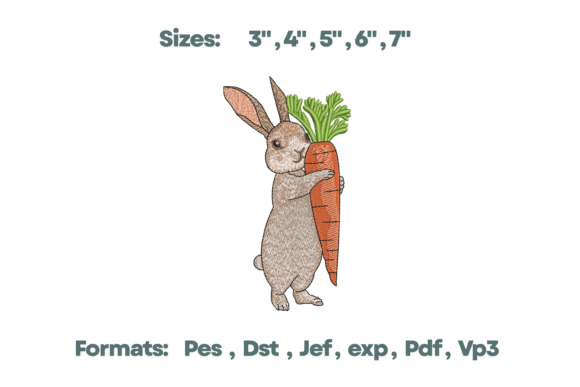
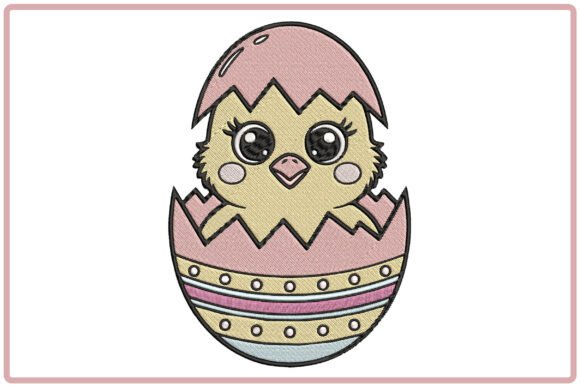
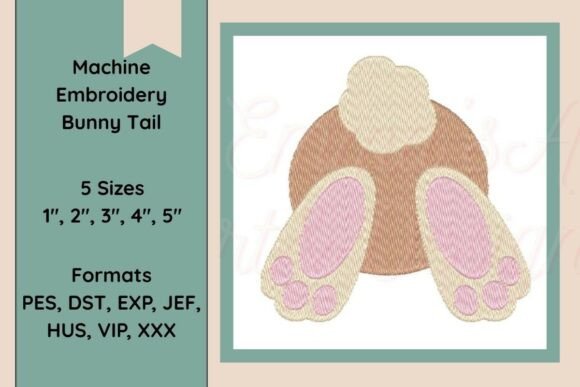
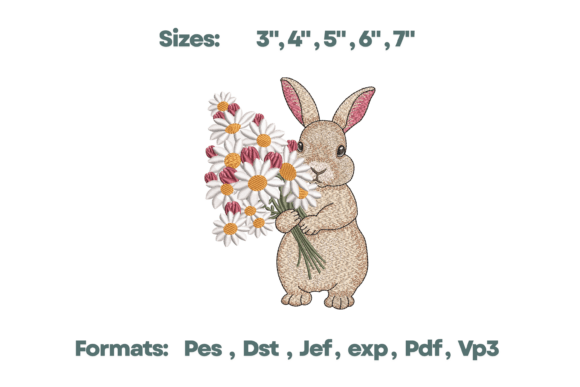
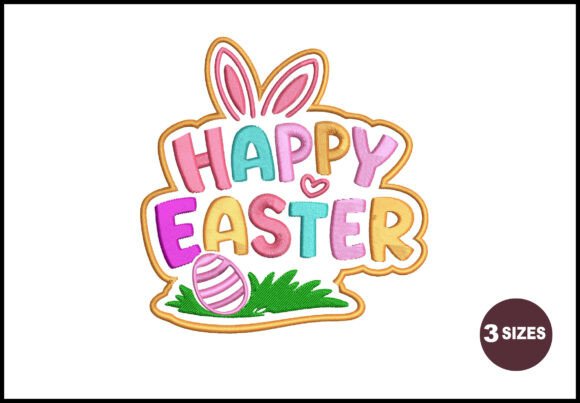
As an experienced embroidery designer who spends countless hours prepping for weekend craft fairs and seasonal markets, I know that the difference between a stall that clears out and one that lingers is often the quality of the design assets. When I first laid eyes on Happy Easter Bunny Embroidery, my mind immediately went to the display table. This isn't just a digital file; it is a potential bestseller waiting to be transformed into a tangible product. The description promises "playful, multi-colored lettering" and an "adorable" aesthetic, which are two of the most critical keywords for seasonal sales.
In this review, I am stepping into the role of a boutique maker preparing for a high-traffic Easter market. I will evaluate how this machine embroidery design translates from a screen to a physical object, focusing on what catches a customer's eye, how it performs on various substrates, and the practical steps needed to ensure your finished product looks premium enough to command a higher price point.
First Impressions: Why This Design Sells
The very first thing a buyer notices at a craft fair booth is the color and the mood. Based on the title Happy Easter Bunny Embroidery and the description highlighting "vibrant" and "multi-colored" elements, this design screams festive energy. It does not feel like a subtle, farmhouse-style accent; instead, it positions itself as a bold focal point. For an Etsy seller or a handmade shop owner, this distinction is vital. Customers browsing a crowded aisle want something that pops against neutral backgrounds.
The playful nature of the lettering suggests versatility. It works perfectly for the younger demographic looking for fun gifts, but the clean lines likely appeal to modern crafters who prefer contemporary designs over traditional, overly ornate patterns. When I imagine this design on a white cotton tote bag, the contrast would be striking. However, the true test of any embroidery file is whether it maintains its charm when scaled down or up. If the "adorable" details remain crisp, this design has the potential to be a repeat purchase item for customers building their holiday collection.
Product Potential: Where It Shines on the Table
To maximize revenue, you need to know where your design assets perform best. Here is a breakdown of how Happy Easter Bunny Embroidery could transform specific craft fair products:
- Tote Bag Design: This is arguably the highest volume seller for Easter. The vibrant colors will stand out beautifully on canvas or natural linen totes. The design acts as a perfect statement piece for spring shopping trips.
- Apron Embroidery: Kitchen aprons are excellent for showcasing the "festive holiday" aspect. If the design features a bunny face combined with the text, it adds a whimsical touch to baking gear, making it an ideal gift for home cooks.
- Tea Towel Embroidery: Linen tea towels provide a textured backdrop that can make stitches look even more luxurious. However, the texture of the towel must be accounted for during digitizing.
- Embroidered Patch: Converting this into a detachable patch allows buyers to apply it to denim jackets or hats later. This adds a layer of utility to the small shop product.
- Fabric Pouches and Market Bags: Small zippered pouches featuring a condensed version of the design serve as great impulse buys at the checkout counter.
- Pillow Covers: For a higher-ticket item, placing this design on a throw pillow creates a cozy, decorative element that fits well in living room displays.
When creating printable mockups for your online listings, ensure you show these items in bright, natural lighting. The "brighten up your seasonal projects" promise in the description needs to be visually proven to the customer before they click buy.
Production Reality: What Makes It Practical
Selling at a craft fair requires efficiency. You cannot spend twenty minutes stitching one small item if you need to produce fifty in a day. The success of Happy Easter Bunny Embroidery depends heavily on its stitch density. Designs with heavy fill areas take longer to run and may cause puckering on lighter fabrics. If the design relies on intricate, tiny details, it might lose clarity when stitched on curved surfaces like caps.
For batch production, the design should be easy to hoist and center. If the lettering is the main focus, ensure the spacing allows for consistent placement across different product sizes. A commercial embroidery business thrives on repeatability. If the design feels too complex to execute quickly, it eats into your profit margins. Conversely, if it is too simple, it may not justify a premium price tag. The "playful" nature suggests a balance of detail and speed, provided the digitization is sound.
Critical Considerations and Careful Use Notes
Before you commit to a full production run, there are specific technical hurdles you must address. As a professional, I always advise checking the following factors to avoid costly mistakes:
- Thread Colors and Contrast: The description mentions "multi-colored." Ensure you have enough spools of thread to match the palette exactly. On dark fabric, light threads may require extra underlay or a backing layer to prevent the base color from showing through.
- Hoop Size and Stabilizer: Verify the recommended hoop size for the design. If you are working on a large area like a full-back apron, you may need a larger hoop or a multi-step process. Always use the appropriate stabilizer to support the fabric texture, especially for stretchy materials like jersey or knits.
- Small Lettering Clarity: If the design includes small text, test it on scrap fabric first. Tiny letters can disappear if the stitch count is too low or if the fabric is too loose.
- Curved Surfaces: Caps and beanies present unique challenges. The curvature can distort straight lines. You may need to adjust the design or use a specialized cap frame to maintain the integrity of the embroidery design.
- Dense Stitch Areas: High-density areas can create a stiff feel on lightweight fabrics. Test the hand-feel of the finished product to ensure it remains comfortable.
Final Verdict: Boosting Your Brand and Booth Display
Ultimately, Happy Easter Bunny Embroidery has the visual appeal necessary to stop a shopper in their tracks. It conveys a sense of handmade quality and festive joy that resonates strongly with the target audience. By integrating this design into a cohesive line of products—from tote bags to kitchen towels—you create a unified brand presence that looks professional and inviting.
Remember to create at least one real mockup using the actual fabric and thread you intend to sell. Digital images are powerful, but nothing beats the tactile experience of a customer holding a beautifully stitched apron. Check your commercial licensing carefully to ensure you are allowed to sell finished goods made with this digital embroidery file. With the right preparation, attention to fabric texture, and a keen eye for detail, this design can become a cornerstone of your Easter collection, driving engagement and sales for your creative enterprise.