Usa Embroidery Design Review for Craft Fairs
As an experienced embroidery designer who has spent countless weekends setting up booths at local craft fairs and handmade markets, I know that the difference between a design that sits on a shelf and one that sells out in minutes often comes down to visual impact and practical execution. When I first looked at the Usa Embroidery Design, my immediate thought was about how it could transform simple items into premium craft fair products. The description promises a "fun and whimsical touch" that spruces up fabrics, and in the world of handmade product sales, that specific blend of personality and patriotism is a powerful seller.
This review focuses on what happens when you take this machine embroidery design from a digital file to a physical display table. We are talking about real-world application: tote bags, aprons, tea towels, patches, caps, small pouches, and pillow covers. If you are an Etsy seller, a boutique maker, or a creative entrepreneur looking to boost your booth's appeal, here is my professional judgment on how Usa Embroidery Design performs in the field.
First Impressions: Bold, Whimsical, and Market-Ready
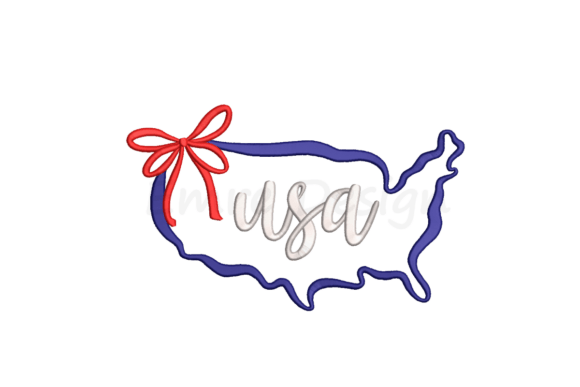
The moment you see the title and description, the vibe is clear. This isn't a stiff, corporate logo; it is described as charming and fun. For a Independence Day collection, this is crucial. Customers at craft fairs are looking for items that feel special but also approachable. A design that feels too rigid or overly complex can sometimes alienate buyers who want something they can use in their daily lives. Usa Embroidery Design strikes a balance that suggests it will photograph well for online listings while looking equally impressive under the bright lights of a vendor tent.
In terms of aesthetic, this design leans towards festive and decorative without being overwhelming. It has the potential to be a focal point on a plain canvas tote or a subtle accent on a dark-colored cap. The "whimsical" descriptor suggests it might incorporate playful elements that catch the eye, making it perfect for creating unique embroidered patch options or adding character to kitchen linens. When customers walk by your booth, they need to stop within seconds. A design with this much personality does exactly that.
Product Potential: Where This Design Shines
Let's talk about where Usa Embroidery Design fits best in your production line. Based on its versatility, there are several categories where this embroidery file could become a top seller.
- Tote Bag Design: A large tote bag is the bread and butter of many small shop products. Placing this design prominently on the front or center of a canvas bag makes it a statement piece. It is practical enough for grocery runs yet stylish enough for a day trip, ensuring high utility and sales potential.
- Apron Embroidery: Kitchen enthusiasts love patriotic accents. Applying this to a white or denim apron creates a delightful contrast. It turns a functional tool into a giftable item, perfect for holiday seasons or summer gatherings.
- Tea Towel Embroidery: These are classic craft fair items. Because tea towels have a distinct texture, the design needs to pop. If the stitch density is right, this design will look textured and high-quality against the woven fabric, increasing the perceived value of the finished product.
- Embroidered Patch: You can produce these as iron-on or sew-on patches. They are excellent upsell items. A customer buying a hat might add a matching patch for just a few dollars more, boosting your average order value.
- Caps and Pouches: For smaller projects, this design works well as a chest emblem on caps or a central motif on small fabric pouches. These are great impulse buys for people walking through the market.
Photography and Visual Appeal for Online Listings
For any Etsy seller or digital creator, the ability to create a stunning printable mockup is vital. Usa Embroidery Design appears to have enough definition to stand out in close-up product shots. However, the success of your listing depends heavily on how well the thread colors contrast with the fabric. If the design features reds, whites, and blues, ensure your background fabrics (like navy blue, crisp white, or natural burlap) make those colors sing. A high-resolution photo showing the texture of the stitches can convince a buyer that the quality is superior to mass-produced alternatives.
When photographing your booth samples, try to capture the design in action. Show the tote bag hanging on a rack, the apron worn by a model, or the towel draped over a counter. This helps the customer visualize the item in their own home, which is a key driver for purchasing commercial embroidery goods.
Practical Production and Selling Notes
While the concept is strong, the devil is in the details. Before you start churning out inventory for a weekend market, you must consider the technical aspects of this digital embroidery file.
Stitch Density and Clarity: Dense stitch areas can sometimes cause puckering, especially on lightweight fabrics like t-shirts. Conversely, tiny details might get lost if the design is scaled down too much for a small patch or a child's item. You need to determine if this design works best as a small accent or a large focal design. Test the design on scrap fabric to see how the threads lay. If the design includes small lettering or intricate lines, ensure they remain legible after stitching.
Fabric Texture and Color: Textured towels can hide some of the finer details of an embroidery pattern. Dark fabrics require careful thread selection to ensure the design doesn't disappear. Always check thread contrast before running a full batch. Using the wrong stabilizer can also ruin the look, causing the design to shift or pucker, which negatively impacts the handmade quality perception.
Batch Production Viability: One of the biggest challenges for craft sellers is time management. Is this design easy to hoop and stitch repeatedly? If the design requires excessive trimming or multiple re-hooping, it may not be efficient for high-volume production. Look for a design that allows for quick setup and consistent results across different items.
Essential Designer Checklist for Success
To ensure Usa Embroidery Design delivers the results you expect, follow these professional steps before you hit the market:
- Test on Scrap Fabric: Never skip this step. Run the design on the exact fabric type you plan to sell to check for tension issues.
- Check Thread Colors: Ensure the color palette matches your brand identity and stands out against the final product color.
- Review Spacing and Hoop Size: Confirm that the design fits comfortably within your standard hoop size without cutting off important elements.
- Inspect Stitch Density: High density adds durability but can make fabric stiff. Low density saves time but might look sparse. Find the sweet spot.
- Use the Right Stabilizer: Match the stabilizer to the fabric weight to prevent distortion.
- Create Real Mockups: Don't rely solely on digital renders. Create at least one real sample to photograph and display.
- Confirm Commercial Licensing: Before selling finished products, verify that you have the proper license to use the design assets for commercial purposes.
By following these guidelines, you can turn Usa Embroidery Design into a cornerstone of your Independence Day collection. Whether you are selling directly at a booth or listing on a marketplace, the combination of a whimsical theme and professional execution will help your finished product stand out in a crowded market. Remember, the goal is to create items that bring personality to any home, and with the right preparation, this design is perfectly positioned to do just that.