Red Mushroom Machine Embroidery Design Review
As an experienced embroidery designer, I spend a significant portion of my time scouting for digital assets that can transform into profitable seasonal products. When browsing Creative Fabrica, it is rare to find a design that balances artistic charm with commercial viability so effortlessly. This season, my attention was captured by the Red Mushroom Machine Embroidery Design. It immediately stood out not just for its aesthetic appeal, but for its potential to resonate with holiday shoppers looking for something unique, cozy, and slightly whimsical.
In this review, I will break down why this specific embroidery file deserves a spot in your seasonal collection, how it performs on various substrates, and what practical considerations you need to keep in mind before adding it to your production line.
First Impressions: A Cozy Woodland Vibe
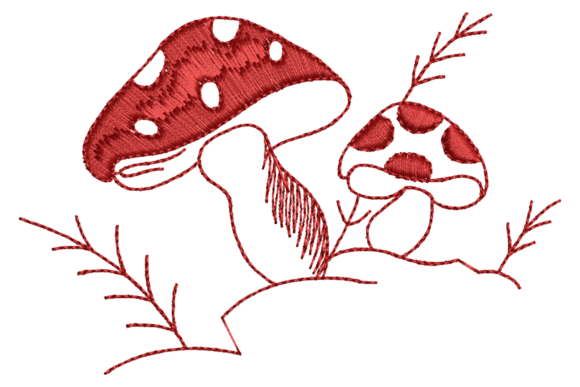
The moment I loaded the machine embroidery design into my software, the visual impact was undeniable. The bright red mushroom offers a playful yet eye-catching look that feels distinctly festive without being cliché. Unlike traditional Christmas motifs that rely heavily on Santa or reindeer, this design taps into the growing trend of "cottagecore" and woodland aesthetics. It evokes a soft illustration style that gives off a fairy-tale feeling, making it perfect for creating items that feel nostalgic and warm.
For Etsy sellers and small shop owners, this emotional connection is crucial. Holiday shoppers are often looking for gifts that feel personal and heartfelt. A design that suggests a quiet walk through a snowy forest or a magical encounter in the woods carries a certain romanticism that appeals to a wide demographic. It bridges the gap between rustic charm and modern cuteness, making it versatile enough for both children’s items and adult apparel.
Seasonal Product Applications
One of the strongest selling points of this digital embroidery file is its adaptability across multiple product categories. During the holiday rush, having a design that works on various items allows you to maximize your marketing efforts. Here is how I envision using this design in a real-world seasonal collection:
- Sweatshirt Embroidery: The bold red color pops beautifully against heather grey, cream, or forest green sweatshirts. It creates an instant statement piece for holiday family matching outfits or casual winter wear.
- Kitchen Towel Embroidery: This is a classic gift item. Placing the mushroom near the hem or corner adds a touch of whimsy to home decor. It fits perfectly with autumn and winter kitchen themes.
- Tote Bag Design: For craft fair displays, embroidered tote bags featuring this motif are highly visible. The sturdy canvas holds the stitches well, and the design is recognizable from a distance.
- Pillow Cover & Home Decor: Soft fabrics like velvet or fleece enhance the cozy vibe. This design works exceptionally well as a centerpiece on throw pillows, adding texture and depth to living room displays.
- Baby Items: The gentle, rounded shapes of the mushroom make it safe and appealing for baby blankets, bibs, and bonnets. Parents love items that feel storybook-inspired.
- Embroidered Patch: You can use this design to create iron-on patches for denim jackets or backpacks, extending the life of the product beyond the immediate holiday season.
Gift Bundles and Commercial Appeal
This commercial embroidery asset is ideal for building gift bundles. Imagine pairing a hand-embroidered kitchen towel with a matching apron and a set of coasters. The consistent theme ties the products together, increasing perceived value. For personalized gift opportunities, consider adding simple text around the mushroom, such as "Home Sweet Home" or a family name, to elevate the product from a generic item to a bespoke keepsake.
Social media engagement also benefits from this visual style. High-quality printable mockup images featuring this design on cozy textiles tend to perform well on platforms like Pinterest and Instagram, where users search for "cozy holiday decor" or "unique handmade gifts."
Practical Considerations for Production
While the design is charming, a professional approach requires careful planning. Not all substrates are created equal, and understanding the limitations of the stitch density is key to avoiding customer returns or dissatisfaction.
Fabric Texture and Stabilizer: When embroidering on thick towels or textured fabrics, ensure you use a high-quality cut-away stabilizer. The stability provided is essential to prevent puckering, especially if the design has larger fill areas. For stretchy garments like sweatshirts, a tear-away stabilizer might suffice, but always test first to maintain fabric integrity.
Hoop Size and Detail Level: Check the recommended hoop size before starting production. If you plan to place this design on small items like baby booties or tiny ornaments, ensure the design scales down cleanly without losing the definition of the gills or spots. Tiny lettering added alongside the mushroom should be avoided if space is tight, as fine details may become muddy.
Thread Colors and Metallics: While the standard red thread captures the essence of the mushroom, experimenting with metallic threads for highlights can add a premium feel. However, be cautious with metallics on dense stitch areas, as they can break or tangle more easily than polyester or rayon threads. Always test thread colors on both light and dark fabrics to ensure contrast and vibrancy.
Items to Approach with Caution
There are certain applications where this design might struggle. Curved caps require precise digitizing to follow the contour; if the original file is flat, it may distort when applied to a hat. Similarly, items that need repeated washing, such as everyday dishcloths, should be tested for colorfastness. While the design is durable, the longevity of the thread depends on proper finishing techniques.
Maximizing Seasonal Appeal and Buyer Emotion
The success of any seasonal embroidery product lies in its ability to evoke emotion. The Red Mushroom Machine Embroidery Design triggers feelings of warmth, nostalgia, and wonder. By positioning your products around these emotions, you move beyond selling a commodity and start selling an experience.
Visual recognition is another factor. In a crowded market, a distinct, high-quality design helps build brand consistency. Customers who recognize your style will return for more. Furthermore, offering a design that feels "premium" due to its clean lines and thoughtful composition builds customer trust. They perceive the effort you put into selecting quality assets as a reflection of the care you put into your final product.
Final Designer Notes
Before committing to a large production run, I strongly advise reviewing the Creative Fabrica product details thoroughly. Confirm the license terms to ensure you have the right to sell finished goods. Additionally, create realistic mockups to preview how the design interacts with different fabric textures and lighting conditions.
Test the embroidery file on your actual production materials. Check for any loose threads, evaluate the balance of the stitches, and ensure the design sits correctly within your intended hoop size. Planning a matching color palette—perhaps incorporating greens, browns, and creams—can help unify your entire seasonal collection.
Ultimately, the Red Mushroom Machine Embroidery Design is a strong candidate for any holiday collection aiming for a cozy, whimsical aesthetic. It offers the flexibility needed for diverse product lines while maintaining a high level of visual appeal. For handmade gift makers and apparel decorators alike, this design provides a solid foundation for creating memorable, sellable items that stand out during the busy holiday shopping period.