Pickleball Paddle Embroidery Design Review
The sports embroidery market is constantly evolving, but nothing has captured the creative energy of crafters and small business owners quite like the recent surge in pickleball culture. As a designer who spends hours testing digital assets before they hit the hoop, I recently had the chance to evaluate the Pickleball Paddle Embroidery Design. This isn't just another generic logo; it is a functional piece of art that brings a specific mood to any textile project. My goal here is to walk you through exactly how this design performs in real-world scenarios, from custom tote bags for local tournaments to personalized gifts for new hobbyists.
First Impressions: A Sporty, Modern Vibe
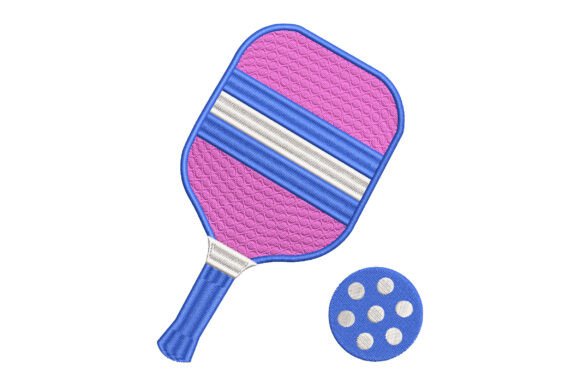
When you first open the file, the visual personality of the Pickleball Paddle Embroidery Design jumps out immediately. It feels fun, energetic, and undeniably trendy. The layout balances a detailed paddle with a lively ball, creating a composition that works well without feeling cluttered. For an embroidery designer, the initial assessment always comes down to stitch density and clarity. Does the design promise to look crisp, or will it turn into a muddy mess on a tight stitch count?
This particular design leans into bold shapes that suggest high readability even at smaller scales. The combination of what appears to be satin stitches for outlines and fill stitches for the main body gives it a professional sheen. It creates a sense of movement, as if the ball is mid-swing. This dynamic quality makes it perfect for brands that want to convey activity and community. It is not a stiff, corporate emblem; it is a playful graphic that invites the viewer to pick up a racket and play. For those selling handmade goods, this mood is gold because it translates well to social media mockups and physical product displays.
Real-World Application: From Tote Bags to Baby Onesies
Let's talk about where this design actually shines in a practical setting. Imagine you are preparing inventory for a local craft fair or restocking your Etsy shop. You need something that appeals to the massive influx of new players. I tested the concept of using the Pickleball Paddle Embroidery Design on a heavy-duty canvas tote bag. The result was striking. The bold lines held up beautifully against the textured fabric, and the sporty theme resonated instantly with anyone passing by.
However, the versatility goes beyond bags. Consider a sweatshirt embroidery project for a weekend league team. The design fits perfectly on the chest area, offering a clean focal point that doesn't overwhelm the garment. It also works surprisingly well on baby items. A soft onesie featuring this motif is a hit for "pickleball parents" who want to show their support early. The playful nature of the graphics ensures it looks cute rather than overly aggressive, making it ideal for nursery decor or holiday gifts.
I also envision this design transforming a simple kitchen towel into a unique gift. The contrast between the domestic setting and the athletic subject creates a charming juxtaposition that buyers love. Whether you are creating an embroidered patch for a denim jacket or branding a boutique product line, the Pickleball Paddle Embroidery Design offers a level of recognition that generic sports icons simply cannot match. It signals membership in a growing community, which adds value to the finished product.
Where to Exercise Caution
While this design is robust, no single machine embroidery design is a universal solution. There are specific situations where you must be careful. If you are working with very small hoop sizes, such as those used for cuff links or tiny keychains, you need to inspect the fine details closely. Sometimes, intricate curves can get lost when scaled down too much, leading to a loss of definition.
Textured fabrics present another challenge. While heavy canvas handles the design well, thin or highly textured materials like loose-weave linen might distort the stitches if the stabilizer isn't chosen correctly. Similarly, stretchy fabrics require extra attention. If you plan to embroider this onto a performance jersey or a fitted cap, ensure you use a cutaway stabilizer to prevent puckering. Curved surfaces, like baseball caps, can sometimes make straight lines appear warped, so test the placement carefully before committing to a bulk order.
Dense stitch areas are also worth noting. If the design relies heavily on fill stitches, placing it on dark fabric requires a higher thread count to ensure full coverage. Conversely, on light fabrics, the same density might feel stiff. Always consider the end-user experience; a garment that feels like armor due to excessive stitching density may not be comfortable enough for active wear.
Visual Appeal and Customer Trust
In the world of handmade products, visual appeal directly correlates to customer trust. A clean, well-executed Pickleball Paddle Embroidery Design suggests professionalism. When a buyer sees a crisp image on a tote bag or a hat, they assume the maker takes pride in their work. This perception increases the perceived value of the item, allowing you to command better prices for your custom apparel or personalized gifts.
The design also enhances brand consistency. If you are building a shop around sports themes, having a cohesive look across your listings is crucial. Using this specific design asset helps unify your collection, making your brand instantly recognizable. Furthermore, the sporty aesthetic drives engagement. People love sharing photos of their gear, and a well-stitched design encourages them to post pictures, providing free marketing for your craft business.
Practical Designer Notes for Success
Before you send this file to your machine, there are a few non-negotiable steps to ensure success. First, always test the design on scrap fabric that matches your final project material. This allows you to check the stitch density and see how the threads interact with the weave of the cloth. Do not skip this step, even if you have used similar designs before.
Check your thread color contrast rigorously. A design that looks great on a computer screen might disappear on navy blue fabric if the thread colors aren't vibrant enough. Reviewing the design in black and white mockups can help you visualize the contrast levels. Additionally, confirm your hoop size requirements. Ensure your machine can accommodate the dimensions without cutting off parts of the paddle or ball.
If you are planning to sell finished items, verify the licensing terms of the embroidery file. Some digital products allow commercial use, while others are restricted to personal projects. Understanding these rules protects your small shop product business from legal issues. Finally, inspect the small details. Zoom in on the corners of the paddle and the texture of the ball. If the stitching looks jagged or unclear in the preview, it likely won't translate well to the final finished product.
Ultimately, the Pickleball Paddle Embroidery Design is a strong candidate for anyone looking to tap into the sports trend. It offers a blend of style and functionality that serves both hobbyists and entrepreneurs. By following these practical guidelines and understanding the nuances of the design, you can create stunning embroidery projects that stand out in a crowded marketplace. Whether you are decorating a tote bag design or creating a sweatshirt embroidery line, this asset provides the foundation for a successful launch.