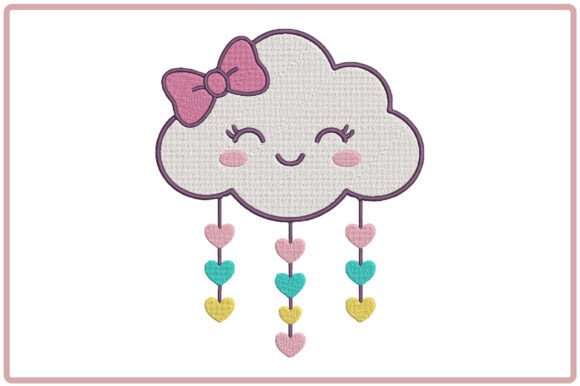
Kawaii Happy Cloud Embroidery Design Review
As an experienced embroidery designer who spends hours testing new digital assets before they hit my production line, I recently had the opportunity to evaluate the Kawaii Happy Cloud Embroidery Design from Creative Fabrica. When a design promises to bring a touch of magic to your projects, the pressure is on to deliver quality that stands up to real-world manufacturing and customer expectations. This review focuses on how this specific file performs when moved from a screen mockup to actual fabric, specifically for those looking to create nursery decor, custom apparel, or handmade gifts.
First Impressions: Visual Mood and Stitch Personality
The moment you open the file for the Kawaii Happy Cloud Embroidery Design, the visual appeal is immediately apparent. The concept of a smiling white cloud with rosy pink cheeks is timeless, but the execution in this design brings a distinct personality to the table. It feels soft, inviting, and perfectly suited for the "Kawaii" aesthetic that dominates the baby and nursery market today. Unlike some generic cloud shapes that can look flat or boring, this design has a sense of movement and warmth.
The stitch personality appears balanced. A well-executed Kawaii design relies heavily on clean satin stitches for outlines and smooth fill stitches for the main body to maintain that plush, rounded look. If the density is too high, the cloud loses its fluffy appearance; if it is too low, the fabric might show through. From a design perspective, the rosy pink cheeks are likely placed using precise satin or small fill areas, which adds the necessary character without overwhelming the simple white cloud shape. It is a design that naturally evokes feelings of comfort and joy, making it an excellent candidate for items intended to be cherished.
Real-World Application in Custom Apparel and Home Decor
I often test designs like the Kawaii Happy Cloud Embroidery Design by imagining them on various products before committing to a full run. Its versatility is one of its strongest selling points. For instance, placing this design on a baby blanket creates an instant focal point that parents will love. The softness of the cloud motif translates beautifully to terry cloth or minky fabrics, enhancing the tactile experience of the finished product.
In the realm of custom apparel, this design shines on sweatshirts and tote bags. On a sweatshirt, the cloud sits comfortably on the chest or back, offering a playful contrast to heavier knit fabrics. For tote bag design applications, the simplicity ensures that the image remains legible even on canvas or cotton blends. It also works exceptionally well as an embroidered patch, provided the backing stabilizer is applied correctly. Whether you are creating boutique merchandise for a craft fair or updating Etsy listings, this design offers a versatile asset that appeals to a broad demographic of buyers looking for cute, handmade goods.
The design also fits seamlessly into seasonal handmade gift ideas. A kitchen towel featuring a happy cloud could be a delightful housewarming present, while a pillow cover version would add a whimsical touch to a child's room. The ability to integrate this design into printable mockups allows sellers to visualize the final product accurately before investing time in digitizing or stitching, ensuring that the marketing materials match the reality of the finished product.
Practical Considerations for Production
While the visual potential is high, every professional designer knows that the devil is in the details. When considering the Kawaii Happy Cloud Embroidery Design for commercial embroidery projects, there are several practical factors to address. First, always verify the recommended hoop size. Small hoop sizes are common for cute motifs, but if the design includes intricate details around the eyes or mouth, ensure that the machine can handle the precision required within that limited space.
Stitch density is another critical element. Clouds require a light, airy feel, so check that the fill stitches are not overly dense, which can cause puckering on lightweight fabrics like muslin or thin jersey. If you plan to use this on stretchy fabric, such as a cap or a fitted onesie, proper stabilizer selection is non-negotiable. A cut-away stabilizer is often best for maintaining the shape of the cloud over time, especially for items that will undergo frequent washing.
For dark fabric projects, the white cloud may need additional underlay or a contrasting thread color to pop effectively. Always review thread colors against the base fabric to ensure sufficient contrast. If the design features tiny lettering or very fine details, inspect the file closely; sometimes, these elements can get lost on textured fabrics or during the trimming process. Testing on scrap fabric is the most reliable way to confirm that the stitch count and density work well for your specific setup.
Impact on Product Value and Brand Consistency
Using a high-quality design like the Kawaii Happy Cloud Embroidery Design directly influences buyer trust and perceived value. In the handmade market, customers are willing to pay a premium for items that show attention to detail and professional finish. A cloud that looks crisp, with no loose threads or uneven edges, signals that the maker cares about quality. This consistency helps build a strong brand identity, whether you are selling personalized gifts or running a larger shop.
Furthermore, the visual appeal of this design enhances product photography. A well-embroidered cloud with rosy cheeks catches the light beautifully, making for engaging images on social media or online stores. This engagement can lead to higher conversion rates and repeat customers. However, it is crucial to manage expectations regarding licensing. Before selling finished items, always confirm the license terms on the Creative Fabrica product page to ensure you are compliant with commercial use policies.
Final Thoughts on Worthiness
After evaluating the Kawaii Happy Cloud Embroidery Design for potential use in real projects, the conclusion is positive. It offers a charming, versatile option for anyone looking to add a touch of whimsy to their embroidery portfolio. Whether you are creating nursery decor, custom apparel, or unique gifts, this design provides a solid foundation for beautiful results. By taking the time to test the design on different fabrics, checking stitch density, and selecting the right stabilizers, you can ensure that the finished product meets the high standards expected by discerning customers. For designers and entrepreneurs seeking reliable design assets, this file is a valuable addition to any library.