Horse Heart Embroidery: A Designer's Real-World Review
When I first opened the folder for Horse Heart Embroidery, my initial reaction wasn't just about the cute aesthetic, but about its practical potential. As someone who has spent years testing digital assets for both personal hobbies and commercial client work, I look past the pretty preview image to see how a design actually translates from screen to fabric. This piece carries a specific mood—it feels warm, nostalgic, and deeply personal. It isn't just a graphic; it is an emotional anchor that can elevate a simple tote bag into a cherished keepsake or turn a standard sweatshirt into a statement piece.
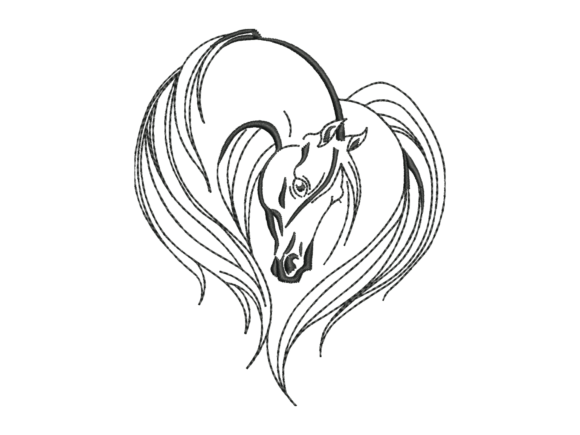
The concept of merging equine imagery with a heart symbol creates a visual shorthand that speaks volumes. For the creative entrepreneur, this is gold. It immediately suggests themes of love, passion, and connection to nature. However, the true test of any embroidery file lies in its execution. Does the layout hold up under the tension of stitching? Are the curves smooth enough to avoid puckering? In my experience with similar machine embroidery designs, the balance between detail and density is where most projects succeed or fail. Horse Heart Embroidery appears to strike a confident balance, offering enough personality without becoming cluttered when stitched at smaller scales.
From Screen to Stitch: The Real-Life Scenario
To understand the value of this asset, let's imagine a real project. Picture a small boutique owner preparing for the holiday season. They need a quick yet high-quality item to add to their Etsy shop. They decide to create a line of custom embroidered aprons for home cooks who love horses. This is where Horse Heart Embroidery shines. Placed centrally on a linen apron, the design offers a focal point that is intimate and inviting. Unlike a generic floral pattern, this motif resonates with a specific audience, increasing the perceived value of the handmade product.
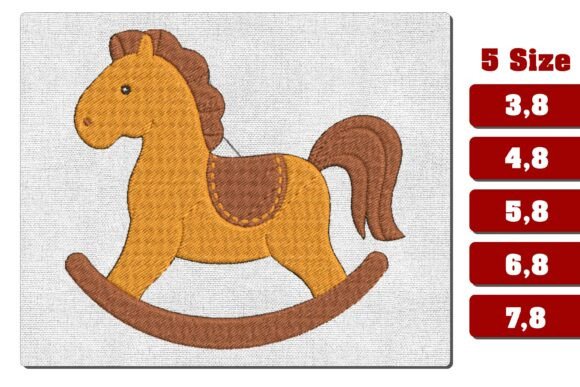
Alternatively, consider a parent looking for a personalized gift for a child's nursery. A soft baby blanket featuring this design could become a treasured family heirloom. The heart shape softens the bold lines often associated with horse imagery, making it perfect for baby embroidery or delicate garments like onesies. When you are designing for gifting, the emotional resonance of the image matters as much as the stitch quality. Customers aren't just buying thread and cloth; they are buying the feeling of care that went into the creation. This design delivers that sentiment effectively.
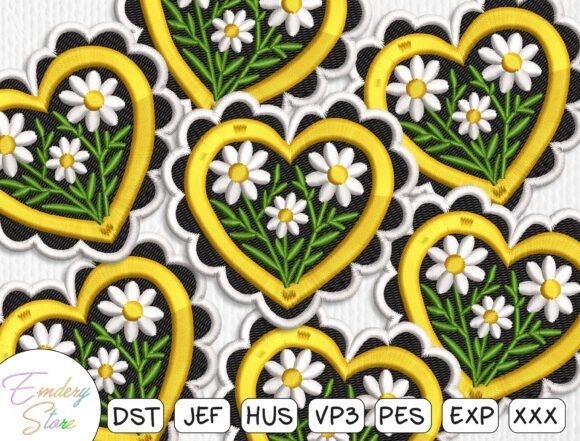
I also envision this working beautifully on structured items like patches or cap fronts. An embroidered patch featuring this motif could be a unique addition to a denim jacket or a backpack, adding a touch of rustic charm. The versatility here is significant. Whether you are creating custom apparel for a local riding club or producing merchandise for a craft fair, the design adapts well to various contexts. It bridges the gap between hobbyist crafting and professional commercial embroidery.
Navigating Fabric and Technique Challenges
While the artistic vision is strong, a professional designer knows that success depends on technical execution. There are specific scenarios where Horse Heart Embroidery requires careful consideration. If you plan to use this on a stretchy fabric like a jersey knit t-shirt, you must ensure your stabilizer choice is robust enough to prevent distortion. The heart shape, being a closed curve, is generally stable, but if the surrounding details include fine running stitches or intricate satin stitch areas, thin fabrics might pucker if not properly supported.
Another critical factor is the hoop size. If you attempt to stitch this on a very small hoop, such as one used for socks or tiny accessories, you may lose some of the design's intended character. The curves might appear jagged, and the overall impact diminishes. Always check the recommended dimensions before finalizing your product list. Furthermore, texture plays a huge role. On a heavily textured fabric like bouclé or a thick fleece, the definition of the design might get lost. For these materials, a smoother background allows the stitch density to pop more clearly.
Dense stitch areas can sometimes cause issues on dark fabrics if the thread count isn't high enough to cover the underlying material completely. If you are aiming for a crisp finish on black cotton, you might need to adjust your thread colors or layering strategy. Additionally, curved surfaces like baseball caps present a challenge. While possible, the distortion inherent in stitching onto a curved brim can alter the proportions of the heart. It is often safer to reserve complex shapes like this for flat surfaces like tote bags, pillow covers, or kitchen towels where the fabric remains taut and even.
Building Trust and Brand Consistency
In the world of Etsy sellers and small shop products, presentation is everything. A well-executed finished product builds trust with your buyer. When customers receive an item where the Horse Heart Embroidery sits perfectly flat with clean edges, it signals professionalism. Conversely, loose threads, skipped stitches, or fabric pulling can undermine confidence in your brand, no matter how good the idea was.
This design has the potential to enhance your brand's identity. If your shop focuses on equestrian themes, rustic decor, or heartfelt gifts, this asset aligns perfectly. It serves as a recognizable signature element. When you use consistent, high-quality designs across your catalog, customers begin to associate that quality with your name. This is crucial for long-term growth. A single bad stitch job can lead to negative reviews, while a beautiful, carefully planned project can generate repeat business and referrals.
For those creating printable mockups or design assets for digital previews, this image provides a realistic representation of what the customer will receive. It helps manage expectations and reduces the likelihood of returns. When buyers see a clear, sharp rendering of the embroidery project, they are more likely to feel secure in their purchase decision. This clarity is vital for digital product sellers who rely on accurate descriptions to drive sales.
Essential Notes for the Practicing Designer
Before you rush to start production, there are several practical steps every designer should take. First and foremost, always test the design on scrap fabric. Nothing beats seeing how the machine handles the specific combination of thread, fabric, and stabilizer. You need to verify that the stitch density is appropriate for your machine and that the hoop size accommodates the design without cutting off important details.
Check your thread color contrast carefully. A light gray heart on a white shirt might disappear, while a dark navy on a black background could vanish entirely. Use proper stabilizer for the weight of your fabric; heavy-duty tear-away or cut-away stabilizers are often necessary for heavier items like sweatshirts or aprons. Also, inspect the small details in the design files. Sometimes, tiny elements can get lost during the digitization process or when scaled down.
If you intend to sell finished items made with this design, confirm the licensing terms immediately. Some digital embroidery files allow for unlimited commercial use, while others restrict the number of units you can produce. Ignoring these terms can lead to legal issues. Finally, compare the design in black and white mockups to ensure the composition works regardless of color. This ensures that the shape and flow of the Horse Heart Embroidery stand on their own merit.
Ultimately, Horse Heart Embroidery is a versatile tool in the arsenal of any maker. It offers a blend of charm and utility that fits seamlessly into a wide range of projects. From personalized gifts to boutique branding, it has the power to transform simple materials into meaningful objects. By approaching it with a critical eye and respecting the technical requirements of the craft, you can create stunning results that delight your customers and elevate your portfolio.