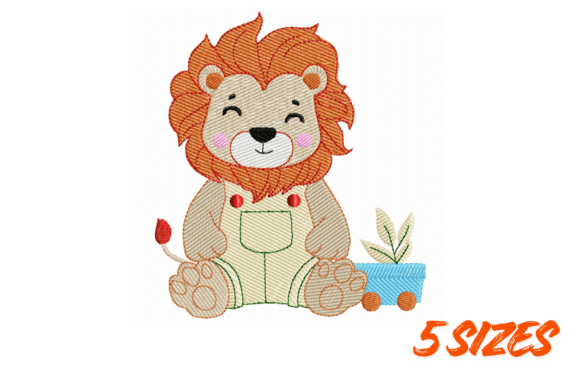
File for Cute Baby Lion Embroidery
As an embroidery designer who has spent years turning digital concepts into tangible, stitched reality, I approach every new embroidery file with a critical eye. It is not enough for a design to simply look cute on a screen; it must translate flawlessly through the needle, hold its structure under tension, and elevate the brand of the small business owner using it. Today, I am reviewing the File for Cute Baby Lion Embroidery, a design described as adorable and perfect for nursery decor, baby clothes, and gifts. While the description highlights its charm, my focus is strictly on its viability for small business merch, branded patches, uniforms, and high-volume production runs.
First Impressions: Visual Personality and Brand Fit
The moment you open the digital asset, the first thing to assess is the visual personality. Based on the title and the promise of an "adorable lion," this design leans heavily into the playful, friendly, and premium categories. For a small business—whether it is a boutique bakery, a handmade nursery shop, or a creative studio—this aesthetic is powerful. It communicates warmth and trustworthiness instantly.
In the world of brand identity, softness often equals approachability. A baby lion is inherently non-threatening yet regal. This duality makes it an excellent choice for businesses that want to appear professional but accessible. Unlike bold, aggressive logos that might alienate a gentle demographic, this machine embroidery design feels inviting. It suggests that the products inside are crafted with care, aligning perfectly with the values of Etsy sellers and crafters who emphasize the "handmade" aspect of their goods. The design likely balances modern simplicity with classic appeal, ensuring it does not feel dated after a single season.
Real-World Application in Small Business Merchandise
The true test of any digital embroidery file is how it performs when applied to physical merchandise. Let us look at specific use cases where this design could drive revenue and strengthen customer engagement.
- Embroidered Patches: One of the most profitable applications for this design is creating sew-on or iron-on patches. These are highly sought after by parents looking to customize backpacks, denim jackets, or tote bags. The clean lines of a baby lion lend themselves well to patch construction, allowing for a distinct border that separates the design from the garment fabric.
- Staff Uniforms and Aprons: Imagine a family-friendly café or a pet grooming salon. Placing this apron embroidery on the chest pocket adds a touch of whimsy to staff uniforms without compromising professionalism. It humanizes the brand, making customers feel more comfortable and engaged.
- Cap Embroidery: For a summer pop-up market or a local festival, a structured cap featuring this lion can become a walking billboard. The design’s compact nature (assuming appropriate sizing) works well on the front panel of hats, offering a subtle yet recognizable mark of the brand.
- Tote Bag Design: Canvas totes are staples in the small business merch arsenal. A centered or off-center placement of this design on a natural canvas tote creates a chic, eco-conscious product that appeals to young mothers and gift buyers alike.
- Product Packaging Accents: Beyond apparel, consider stitching this onto hang tags or gift boxes. Adding a tiny embroidered accent to packaging elevates the unboxing experience, encouraging social media shares and repeat purchases.
Strategic Placement and Critical Considerations
While the design is charming, an experienced designer knows that not every surface is created equal. There are specific areas where this embroidery file requires careful handling to avoid distortion or loss of detail.
When scaling this down for a custom apparel item like a onesie or a delicate infant hat, you must monitor the stitch density. If the design contains fine details or thin outlines, reducing the size too much can cause the stitches to merge, resulting in a muddy appearance. Always ensure there is adequate spacing between elements so the needle has room to move freely.
Curved surfaces present another challenge. Applying this design to the curved front of a baseball cap or the rounded shoulder of a sweatshirt requires proper hooping techniques and potentially a flexible stabilizer to prevent puckering. Dark uniforms or fabrics with a heavy texture may obscure the lighter thread colors typically used for a "cute" lion. In these cases, selecting high-contrast thread colors is essential to maintain visibility and impact.
Impact on Brand Identity and Customer Trust
Consistency is key to building a loyal customer base. Using a cohesive set of design assets across all touchpoints—from your website to your physical products—reinforces brand recognition. When a customer sees the same beloved baby lion on a tote bag, a sticker, and a shirt, it creates a unified visual language.
This level of attention to detail signals professionalism. It tells the buyer that you invest time in the quality of your offerings. High-quality embroidery, free of loose threads or misaligned stitches, builds customer trust. It suggests that if you care this much about a small logo, you likely care even more about the core product itself. Furthermore, a unique, well-executed design differentiates your brand in a saturated market, helping you stand out among competitors who may rely on generic prints or lower-quality decals.
Practical Designer Notes for Production
Before committing to a large production run, follow these essential steps to ensure the best possible outcome:
- Test in Black and White: Convert the design to monochrome to check contrast and balance. If it looks good in black and white, it will likely succeed in color.
- Check Small Patch Size: Zoom in to 100% or stitch a sample at the smallest intended size. Verify that no details are lost and that the shape remains clear.
- Review Thread Color Contrast: Ensure the chosen threads pop against the target fabric. Light threads on light fabric can disappear, while dark threads on dark fabric may lack definition.
- Inspect Spacing and Density: Look for areas where stitches might overlap excessively or leave gaps. Adjust the digitization if necessary to improve durability.
- Confirm Hoop Size: Ensure the design fits within the standard hoop sizes you have available, such as 4x4 or 5x7 inches, to streamline your workflow.
- Test on Real Fabric: Never assume digital performance translates perfectly to fabric. Stitch a test sample on the actual material you plan to use, including the correct stabilizer.
- Create a Printable Mockup: Use the digital file to create realistic mockups for client approval or marketing materials before cutting fabric.
- Compare Against Other Assets: Place this design beside your other logos or graphics to ensure visual consistency across your brand portfolio.
- Confirm Commercial Licensing: Most importantly, verify that you have the right to use this embroidery file for commercial purposes. Check the license terms included with the download to avoid legal issues.
The File for Cute Baby Lion Embroidery offers a strong foundation for businesses looking to add a touch of warmth and personality to their product line. By understanding its strengths and respecting its technical limitations, you can transform this simple design into a powerful tool for brand growth and customer delight. Whether you are producing limited-run artisanal goods or scaling up for retail distribution, this design has the potential to become a signature element of your finished product collection.